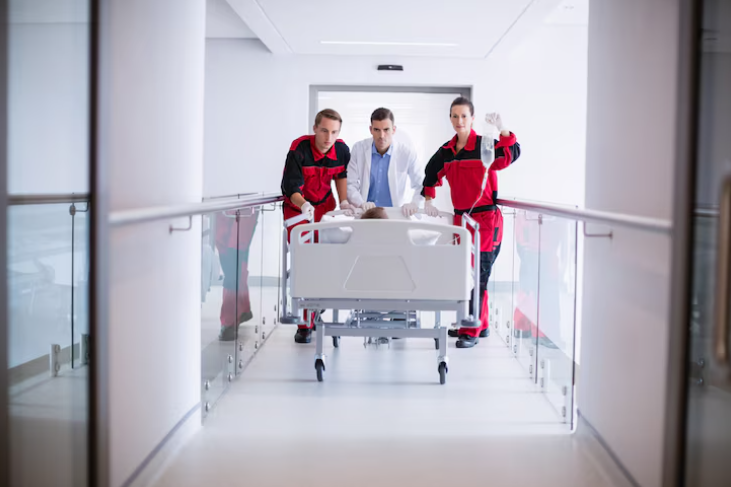
Medical emergencies can occur at any time and often require immediate professional care. In these situations, visiting a reliable emergency room Houston can make a significant difference in receiving fast diagnosis and treatment. Emergency rooms are designed to provide immediate medical attention for injuries, sudden illnesses, and serious health concerns. These facilities operate around the clock and are staffed by trained medical professionals who can respond quickly to urgent situations.
A modern emergency room provides comprehensive services to diagnose and treat a wide range of conditions. Patients can receive medical evaluation, diagnostic testing, and treatment in a single location. This approach allows healthcare teams to identify health problems quickly and begin appropriate care without delay. Understanding how emergency rooms work and what to expect during a visit can help patients feel more prepared when urgent medical care is needed.
What Is an Emergency Room and How Does It Work?
An emergency room is a medical facility that provides immediate treatment for serious injuries and sudden medical conditions. Emergency departments operate 24 hours a day and are staffed with physicians, nurses, and healthcare professionals who specialize in urgent medical care.
Emergency rooms are equipped with advanced diagnostic tools and treatment resources. These facilities are designed to quickly evaluate patients and determine the severity of their condition.
The primary functions of an emergency room include:
- Providing immediate medical evaluation for urgent conditions
- Diagnosing injuries and illnesses using advanced medical equipment
- Stabilizing patients who require urgent treatment
- Delivering treatment for a wide range of medical emergencies
Emergency rooms differ from urgent care clinics because they are equipped to handle more severe and life threatening conditions. The availability of specialized staff and medical technology allows emergency physicians to respond quickly to critical health situations.
When Should You Visit an Emergency Room in Houston?
Knowing when to visit an emergency room is essential for protecting your health. Certain symptoms and injuries require immediate medical attention because delaying care could increase the risk of complications.
Emergency rooms are prepared to evaluate a variety of serious health concerns. Patients experiencing sudden or severe symptoms should seek professional medical help without delay.
Situations that may require an emergency room visit include:
- Severe chest pain or breathing difficulty
- Head injuries or loss of consciousness
- Sudden severe abdominal pain
- Major injuries caused by accidents or trauma
- Severe allergic reactions or high fever
Medical professionals in emergency rooms are trained to assess these conditions quickly. Prompt evaluation allows doctors to identify the cause of symptoms and provide appropriate treatment as soon as possible.
Patients experiencing medical concerns that involve infections, severe symptoms, or unexplained illness may also benefit from professional sudden illness emergency care. Immediate evaluation helps doctors determine the underlying cause and begin treatment quickly.
Common Medical Conditions Treated at an Emergency Room
Emergency rooms provide care for a wide range of medical conditions. These facilities are equipped to manage both injuries and sudden illnesses that require urgent medical attention.
Doctors in emergency departments evaluate patients using diagnostic tests and physical examinations. This allows them to identify the cause of symptoms and determine the appropriate treatment plan.
Conditions commonly treated in emergency rooms include:
- Injuries from accidents or falls
- Severe infections or high fever
- Breathing difficulties or asthma attacks
- Allergic reactions that require immediate treatment
- Severe pain or sudden unexplained symptoms
Emergency physicians are trained to treat both adults and children. Facilities that offer specialized services such as children emergency care Houston ensure that younger patients receive appropriate medical attention tailored to their needs.
Access to a full range of emergency services allows patients to receive comprehensive care in a single location.
What to Expect During Your Visit to a 24/7 Emergency Room
Patients often feel uncertain about what happens during an emergency room visit. Understanding the typical process can help reduce anxiety and make the experience more manageable.
When a patient arrives at an emergency room, the medical team begins with an initial evaluation. This step allows healthcare professionals to determine the urgency of the condition and prioritize treatment.
The emergency room visit usually involves several steps:
- Patient check in and registration
- Initial medical assessment by healthcare staff
- Diagnostic tests such as laboratory work or imaging
- Treatment provided by emergency physicians
Medical teams work quickly to diagnose and treat patients. Emergency departments are designed to ensure that patients receive care as efficiently as possible. After the evaluation, doctors may provide treatment, recommend follow up care, or monitor the patient’s condition until it improves.
Benefits of Visiting a Freestanding Emergency Room
Freestanding emergency rooms offer several advantages for patients seeking urgent medical care. These facilities provide the same level of emergency treatment as hospital based emergency departments but often with faster service.
Freestanding emergency rooms are equipped with advanced diagnostic technology and staffed by experienced emergency physicians. Their focus on urgent care allows them to respond quickly to patient needs.
Benefits of visiting a freestanding emergency room include:
- Shorter waiting times for medical evaluation
- Immediate access to trained emergency physicians
- Availability of advanced diagnostic equipment
- Continuous care available 24 hours a day
These facilities provide a comfortable and efficient environment for patients experiencing urgent health concerns. Access to quick diagnosis and treatment helps ensure better outcomes and improved patient satisfaction.
Services Available at a Modern Emergency Room
Modern emergency rooms provide a wide range of medical services designed to address urgent health concerns. These services are supported by advanced medical equipment and experienced healthcare teams.
Emergency facilities are equipped to diagnose and treat both injuries and sudden illnesses. Having these services available in one location allows medical teams to deliver efficient care.
Emergency room services may include:
- Diagnostic imaging such as X rays and CT scans
- Laboratory testing for infections or medical conditions
- Treatment for injuries and trauma
- Pediatric emergency services for younger patients
These services allow doctors to identify medical issues quickly and provide appropriate treatment. Patients benefit from comprehensive care that addresses both immediate symptoms and underlying health problems.
How Emergency Rooms Provide Fast Diagnosis and Treatment
Emergency departments rely on advanced medical technology to deliver fast and accurate diagnosis. Physicians use diagnostic imaging, laboratory tests, and physical examinations to determine the cause of symptoms.
This combination of tools allows doctors to gather important medical information within a short period of time. Once a diagnosis is confirmed, the medical team begins treatment immediately.
Fast diagnosis and treatment are achieved through several factors:
- Immediate access to medical professionals
- Advanced diagnostic equipment for rapid testing
- Coordinated care provided by trained emergency teams
These resources allow emergency rooms to manage critical health situations effectively. Patients receive timely care that reduces the risk of complications and supports faster recovery.
Choosing a Reliable Emergency Room in Houston
Selecting a reliable emergency room is important when urgent medical care is required. Patients should look for facilities that offer experienced physicians, modern medical equipment, and comprehensive emergency services.
A well equipped emergency room ensures that patients receive accurate diagnosis and prompt treatment. Facilities with advanced technology can evaluate a wide range of conditions quickly.
Important factors when choosing an emergency room include:
- Availability of board certified emergency physicians
- Access to modern diagnostic equipment
- Comprehensive treatment options for injuries and illnesses
- A clean and organized medical environment
Patients can also complete patient registration online before visiting the emergency room. This process helps reduce waiting time and allows medical teams to prepare for the patient’s arrival.
Final Thoughts: Why Immediate Emergency Care Is Important
Emergency rooms play a critical role in protecting public health by providing immediate medical care for urgent conditions. These facilities are designed to diagnose and treat injuries and illnesses quickly. Access to trained physicians and advanced medical technology ensures that patients receive accurate and timely treatment.
Prompt medical attention can prevent complications and improve recovery outcomes. When symptoms appear suddenly or injuries occur, visiting an emergency room allows doctors to identify the problem and begin treatment immediately.
Emergency rooms provide comprehensive services that address a wide range of health concerns. By seeking professional care as soon as symptoms appear, patients can ensure that their condition is evaluated and treated effectively.
Conclusion
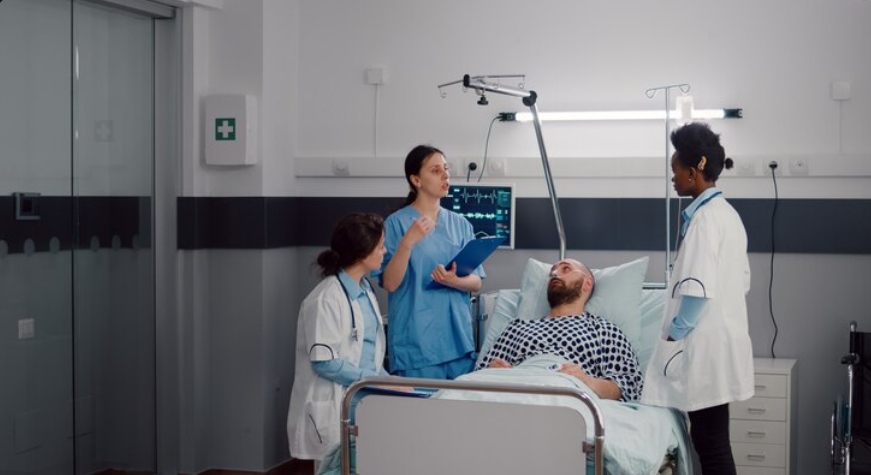
Emergency rooms provide essential medical care for individuals experiencing serious injuries or sudden health conditions. These facilities are designed to deliver fast diagnosis and treatment through advanced technology and skilled medical professionals. Immediate access to emergency care helps doctors identify medical problems quickly and begin appropriate treatment.
Visiting a reliable emergency room ensures that urgent health concerns are addressed without delay. With comprehensive services and experienced medical teams, emergency rooms play a vital role in protecting the health and safety of the community.
FAQs
1. What conditions should be treated at an emergency room?
Emergency rooms treat serious injuries and sudden medical conditions such as chest pain, severe infections, breathing problems, major trauma, and severe allergic reactions.
2. Are emergency rooms open 24 hours a day?
Yes. Emergency rooms operate around the clock and provide medical care at any time of the day or night.
3. What happens during an emergency room visit?
During a visit, patients receive an initial medical assessment followed by diagnostic tests if needed. Doctors then provide treatment based on the diagnosis.
4. Do emergency rooms treat both adults and children?
Yes. Many emergency facilities provide care for patients of all ages, including pediatric emergency services for children.
5. Can emergency rooms perform diagnostic tests on site?
Yes. Modern emergency rooms have diagnostic equipment such as imaging machines and laboratories to perform tests quickly and support fast diagnosis.