In today’s fast-changing global economy, the concept of business opportunities has gained immense importance. Whether for aspiring entrepreneurs, seasoned investors, or established companies, identifying and leveraging the right opportunity can lead to significant growth and long-term success. A business opportunity is essentially a set of circumstances that allows an individual or organization to generate profit by offering products or services that meet market demand.
With the rise of digital platforms, globalization, and innovative business models, opportunities are no longer limited by geography or traditional industries. Instead, they are expanding across sectors, creating new avenues for creativity, innovation, and financial independence.
Understanding Business Opportunities
A business opportunity typically involves four key elements:
- A Market Need – A gap or demand that is not fully satisfied.
- A Product or Service – A solution that addresses the need.
- A Revenue Model – A way to generate income.
- Resources and Capability – The ability to deliver the solution effectively.
Unlike starting a business entirely from scratch, many opportunities come in structured forms such as franchises, licensing agreements, partnerships, or digital platforms. These models reduce risk and provide a clearer path to success.
Types of Business Opportunities
Business opportunities exist in various forms, each with its own advantages and challenges.
1. Franchise Opportunities
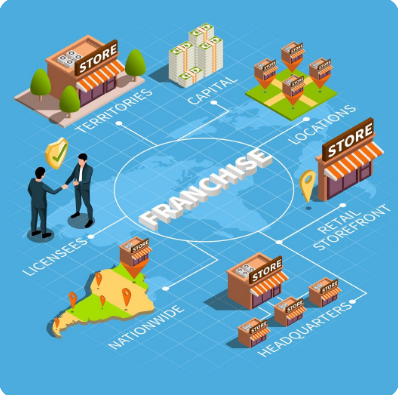
Franchising allows individuals to operate under an established brand. It offers a proven business model, training, and support, making it one of the safest ways to start a business.
2. Licensing Opportunities
Licensing enables businesses to use intellectual property such as trademarks, technology, or products owned by another company. It is a cost-effective way to enter the market with established credibility.
3. Online Business Opportunities
The digital revolution has opened doors to e-commerce, content creation, digital marketing, and software services. These opportunities often require lower investment and offer global reach.
4. Partnership Opportunities
Collaborating with other businesses or individuals can provide access to new markets, resources, and expertise.
5. Investment Opportunities
Investing in startups, real estate, or emerging industries can yield high returns if done strategically.
Characteristics of a Good Business Opportunity
Not all opportunities lead to success. A strong business opportunity typically has the following characteristics:
- High Demand – There is a clear and growing need in the market.
- Profit Potential – The opportunity can generate sustainable income.
- Scalability – The business can grow over time.
- Feasibility – It is practical and achievable with available resources.
- Competitive Advantage – It offers something unique or better than existing solutions.
Evaluating these factors carefully can help entrepreneurs make informed decisions.
Emerging Trends in Business Opportunities
The nature of business opportunities is constantly evolving. Some of the most prominent trends include:
1. Digital Transformation
Businesses are increasingly moving online, creating opportunities in e-commerce, app development, and digital services.
2. Sustainability and Green Business
Eco-friendly products and services are in high demand as consumers become more environmentally conscious.
3. Remote Work and Freelancing
The rise of remote work has created opportunities for freelancers, consultants, and digital entrepreneurs.
4. Technology-Driven Innovation
Artificial intelligence, blockchain, and automation are opening new business avenues.
5. Flexible Licensing Models
Modern approaches to licensing are making it easier for businesses to expand and collaborate.
The Role of Innovation in Business Opportunities
Innovation is at the heart of successful business opportunities. Companies that adapt to changing market conditions and embrace new technologies are more likely to thrive. Innovation can take many forms:
- Product Innovation – Creating new or improved products.
- Process Innovation – Enhancing efficiency and operations.
- Business Model Innovation – Developing new ways to deliver value.
Innovative models such as flexible licensing systems are reshaping how businesses grow and scale in competitive markets.
Exploring Modern Licensing-Based Opportunities
Licensing has become a powerful tool for unlocking business opportunities. It allows entrepreneurs to leverage established brands, technologies, and systems without the need to build everything from scratch.
One emerging concept in this space is the idea of adaptive and scalable licensing platforms. These platforms enable businesses to expand in a controlled and efficient manner, making them particularly attractive in today’s dynamic environment. For example, platforms like throttllicensing.com are designed to simplify licensing processes and provide flexible growth options for businesses looking to scale.
Such platforms reflect a shift toward more agile and accessible business models, where opportunities can be customized based on market conditions and individual capabilities.
Challenges in Identifying Business Opportunities
While opportunities are abundant, identifying the right one can be challenging. Common obstacles include:
- Market Saturation – Too many competitors in a given space.
- Lack of Research – Insufficient understanding of the market.
- Financial Constraints – Limited access to capital.
- Risk Factors – Uncertainty and potential losses.
- Execution Issues – Difficulty in implementing ideas effectively.
Overcoming these challenges requires careful planning, research, and strategic thinking.
Steps to Identify and Evaluate Business Opportunities
To successfully identify and evaluate a business opportunity, consider the following steps:
1. Conduct Market Research
Understand customer needs, preferences, and trends.
2. Analyze Competition
Study competitors to identify gaps and differentiation opportunities.
3. Assess Resources
Evaluate your skills, finances, and available support systems.
4. Test the Idea
Start small to validate the concept before scaling.
5. Develop a Business Plan
Create a roadmap outlining goals, strategies, and financial projections.
6. Seek Expert Advice
Consult mentors, industry experts, or business advisors.
Importance of Strategic Planning
Strategic planning plays a crucial role in turning opportunities into successful ventures. It involves setting clear objectives, allocating resources efficiently, and anticipating potential challenges.
A well-structured plan helps businesses stay focused and adapt to changing conditions. It also increases the likelihood of securing funding and attracting partners.
The Impact of Technology on Business Opportunities
Technology has revolutionized how opportunities are created and accessed. Key impacts include:
- Global Reach – Businesses can operate across borders.
- Automation – Reduces costs and increases efficiency.
- Data Analytics – Enables informed decision-making.
- Digital Marketing – Enhances visibility and customer engagement.
These advancements have made it easier for individuals to start and grow businesses with limited resources.
Building a Successful Business from Opportunities
Turning an opportunity into a successful business requires dedication, persistence, and adaptability. Key success factors include:
- Strong Leadership – Clear vision and decision-making.
- Customer Focus – Understanding and meeting customer needs.
- Continuous Learning – Staying updated with industry trends.
- Networking – Building relationships with stakeholders.
- Resilience – Overcoming challenges and setbacks.
Success is not just about finding the right opportunity but also about executing it effectively.
Future Outlook of Business Opportunities
The future of business opportunities looks promising, driven by innovation, technology, and globalization. Emerging areas such as digital platforms, sustainable solutions, and flexible licensing models are expected to dominate.
Entrepreneurs who embrace change and leverage modern tools will be better positioned to succeed. The integration of technology and business strategies will continue to create new possibilities and redefine traditional industries.
Conclusion
Business opportunities are the foundation of entrepreneurship and economic growth. They provide individuals and organizations with the chance to create value, generate income, and achieve their goals. However, success depends on identifying the right opportunity, evaluating it carefully, and executing it effectively.
As the business landscape evolves, new models and platforms are making opportunities more accessible and flexible. Concepts such as modern licensing systems and platforms like throttllicensing.com highlight the importance of innovation in creating scalable and sustainable ventures.
Ultimately, the key to success lies in staying informed, being adaptable, and taking calculated risks. By doing so, entrepreneurs can turn opportunities into thriving businesses and contribute to a dynamic and growing economy.