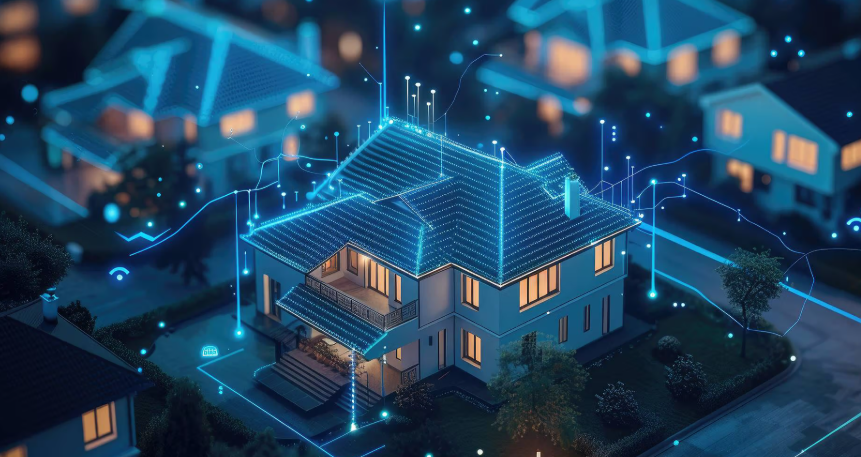
Portable solar generators are revolutionizing how we access power. Lightweight and efficient, they offer a sustainable way to electrify homes, travel adventures, or emergency situations. By harnessing the sun’s energy, these devices deliver varying degrees of power output. But how much power can they truly deliver? This question depends on several aspects, including key power metrics, real-world usage, and external factors that influence performance.Harnessing the power of the sun through renewable resources like portable solar generators is both eco-friendly and efficient. These devices serve as vital backups and handy power sources for both adventurers and homeowners. Understanding their output capabilities is crucial for making an informed choice. With numerous models available, like the Anker SOLIX F3800 Plus, which boasts up to 3,200W solar input and scalable options, deciphering the right fit requires knowledge of key metrics and external influences.
Key Power Metrics That Define Solar Generator Output
Rated Wattage and Surge Wattage Explained
Rated wattage and surge wattage are central to understanding a solar generator’s power output. Rated wattage refers to the continuous power a generator can deliver under normal circumstances. For example, a unit like the Anker SOLIX F3800 Plus offers 6,000W AC output per unit. Surge wattage, on the other hand, accounts for the increased power required temporarily when starting appliances or devices. This can be helpful when powering up devices with high startup currents like refrigerators or pumps. It ensures that your generator can handle quick boosts without shutting down or causing damage. Selecting a generator based on these metrics helps ensure it meets your daily and emergency energy needs.
Battery Capacity in Watt-Hours and What It Means
Battery capacity in watt-hours indicates how much energy a generator can store and deliver over time. This metric is pivotal for assessing how long a generator can power your devices before needing a recharge. For instance, the Anker SOLIX offers scalability from 3.84kWh up to 53.8kWh, allowing for extended use. Watt-hours, therefore, serve as a guide for the generator’s runtime under various loads. Understanding this helps consumers anticipate the duration for which devices will remain operational, enhancing preparedness during home outages or remote excursions. Higher capacity usually translates to longer operation times for energy-intensive devices like refrigerators or air conditioning units.
See also: AI-Powered Accessibility Technology
What a Portable Solar Generator Can Power in Real Life
Powering Small Electronics and Personal Devices
Portable solar generators shine when it comes to powering small electronics like smartphones, tablets, and laptops. Devices such as the Anker SOLIX, with its dual voltage of 120V/240V, provide more than enough power to keep personal gadgets charged on camping trips or during power outages. USB ports and standard AC outlets are typically available on these units, making them versatile for charging. Additionally, compact devices consume relatively low power, ensuring that a generator with a capacity like the Anker SOLIX delivers reliable performance over extended periods. This capability underscores the convenience and utility of solar generators in everyday situations.
Running Appliances, Tools, and Medical Equipment
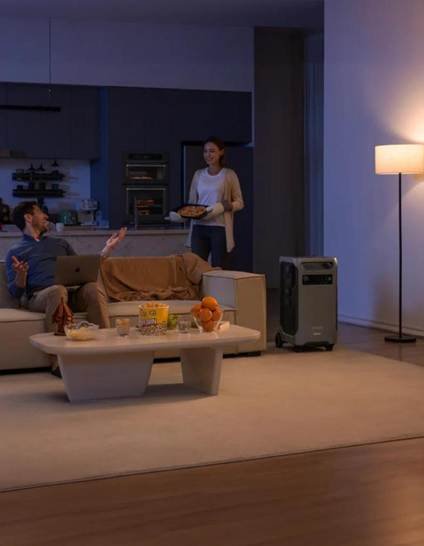
When it comes to powering household appliances, tools, and even medical devices, solar generators need to pack a punch. The Anker SOLIX’s 6,000W AC output means it can effortlessly handle fridges, power tools, and even some medical equipment. Features like bypass charging ensure the unit remains ready for long-duration use, crucial during extended power outages and for users needing medical device support. Appliances often require significant power, especially at startup. Hence, understanding a solar generator’s capabilities ensures it meets these demands without falter. Opting for models with expandability options aids in scaling up power delivery as needs grow.
Factors That Affect Real-World Power Delivery
Solar Input, Charging Speed, and Panel Efficiency
The amount of solar input and the efficiency of panels critically impact a generator’s power delivery. The Anker SOLIX, for example, optimizes efficiency with up to 3,200W solar input. Charging speed varies based on sunlight intensity and panel orientation, affecting how quickly the generator can replenish its batteries. High-efficiency panels ensure that even minimal sunlight gets effectively converted into usable energy. In contrast, cloudy weather or improper positioning can hinder performance. Thus, maximizing solar input through strategic panel placement and utilizing high-efficiency panels is key to enjoying consistent power availability.
Inverter Quality, Load Type, and Usage Habits
Inverter quality directly influences how power is converted from stored DC to AC for everyday use. A superior inverter ensures stable, reliable output to support sensitive equipment. The load type, whether it’s resistive or inductive, also affects performance. Resistive loads, like heaters, use power consistently, while inductive loads, like air compressors, can draw more power intermittently. Additionally, individual usage habits impact generator effectiveness. Judicious power management enables longer runtime, especially when strategically powering devices. Users should familiarize themselves with their generator’s inverter specifications and thoughtfully manage their load profiles to optimize power delivery.
Conclusion
Deciding on solar generators portable require a careful evaluation of power needs and specifications. Devices like the Anker SOLIX demonstrate robust output capabilities ideal for diverse scenarios, making them invaluable assets for homes, travel, or emergencies. By understanding the critical metrics, real-life applications, and factors affecting power delivery, consumers can make informed decisions. Ultimately, these generators not only serve functional needs but also promote sustainable energy use, positioning them as an investment in both convenience and the environment.